
Written by: 7
On January 16, the CFTC announced the latest CME Bitcoin Futures Weekly Report (January 6-January 12). During the latest statistical period, BTC once achieved a historic price of 40,000 The breakthrough of the integer mark, however, after a wave of accelerated gains in the first half of the statistical cycle, there was a sharp correction in the second half of the statistical cycle, and all the small-round gains were given back at the end of the statistical cycle. This is also after nearly two months of unilateral rise, and finally there is a statistical cycle with almost no actual gains. Will the market regard this as a signal of an inflection point? Can the highly consistent upward trend seen in the last statistical cycle continue? The position adjustment performance of various accounts during this statistical period is very exciting.
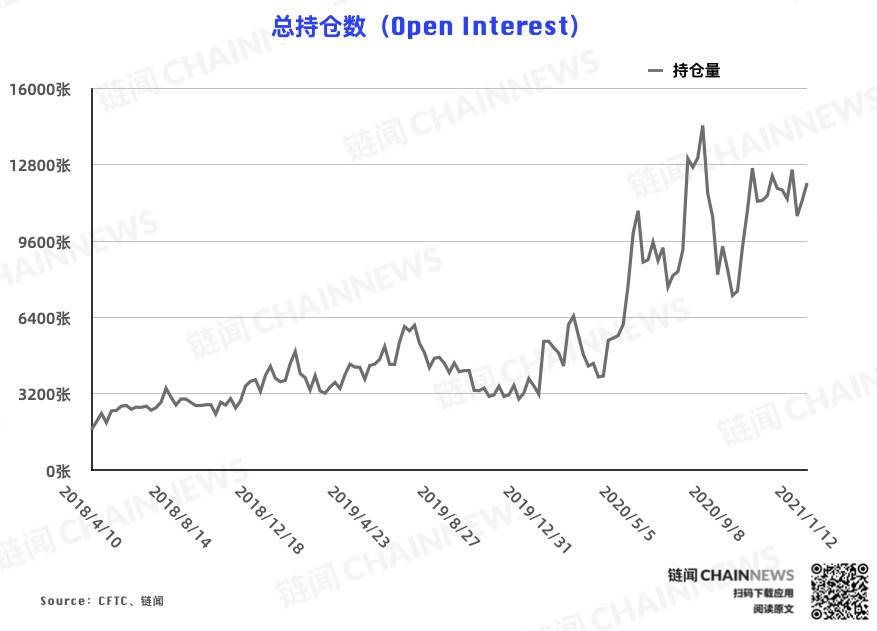
The number of total positions (total open positions) further increased from 11,296 to 12,039 in the latest period of data. The rebound momentum in the previous statistical period continued, and the short-term market heat further increased. The sharp correction during the statistical period did not trigger panic to reduce positions.
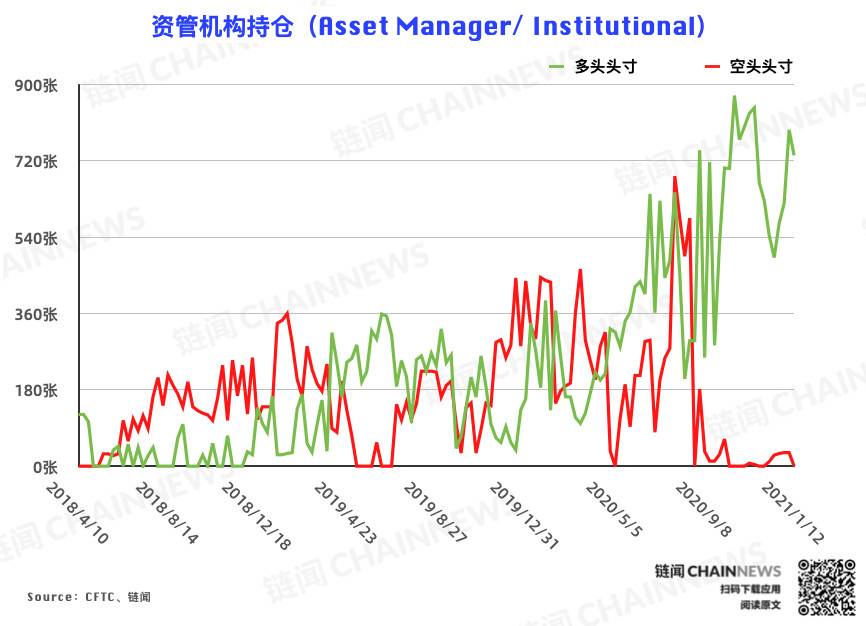
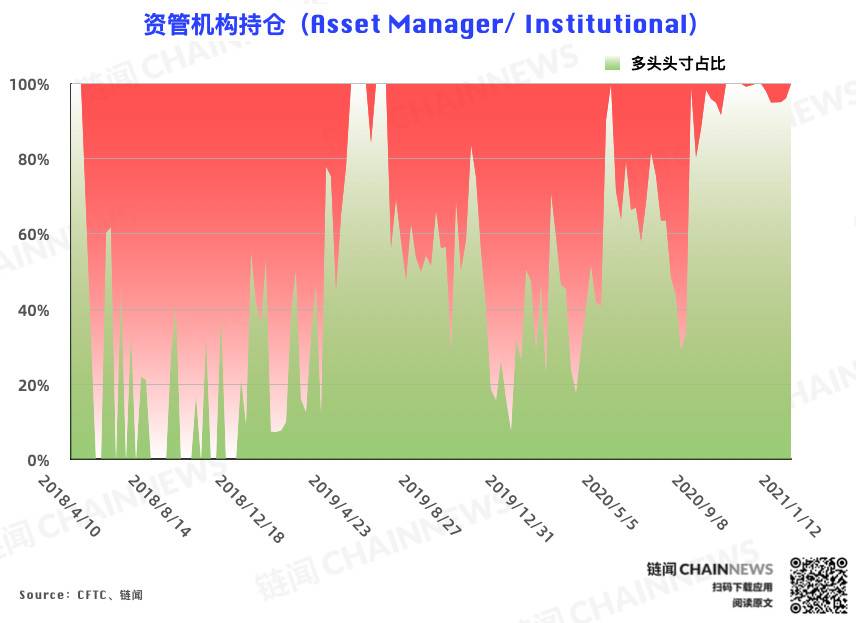
In terms of sub-data, the long positions held by large-scale asset management institutions dropped from 793 to 733. This value dropped for the first time in the past four weeks. Short positions were cleared, and 0 appeared again after five weeks. Value situation, although this type of account did not further increase long positions in the latest statistical period, the performance of clearing short positions has greatly weakened the bearish effect of small reductions in long positions. Judging from the position adjustment performance of large institutions in the latest statistical period, this type of account still maintains a very clear bullish attitude. It is not believed that the turning point has been reached, but the suspension of continuing to increase long positions may mean that large institutions have indeed begun to start risk control.
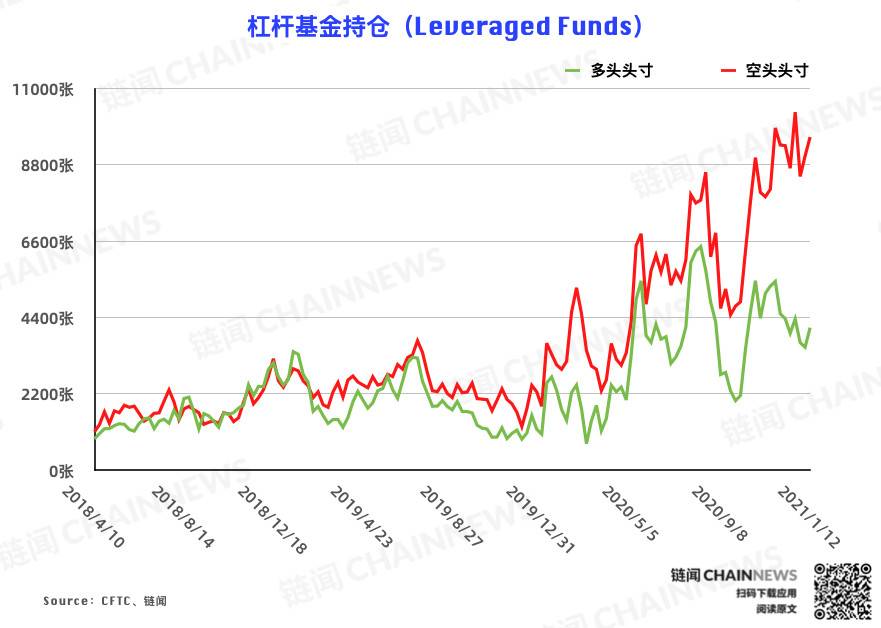
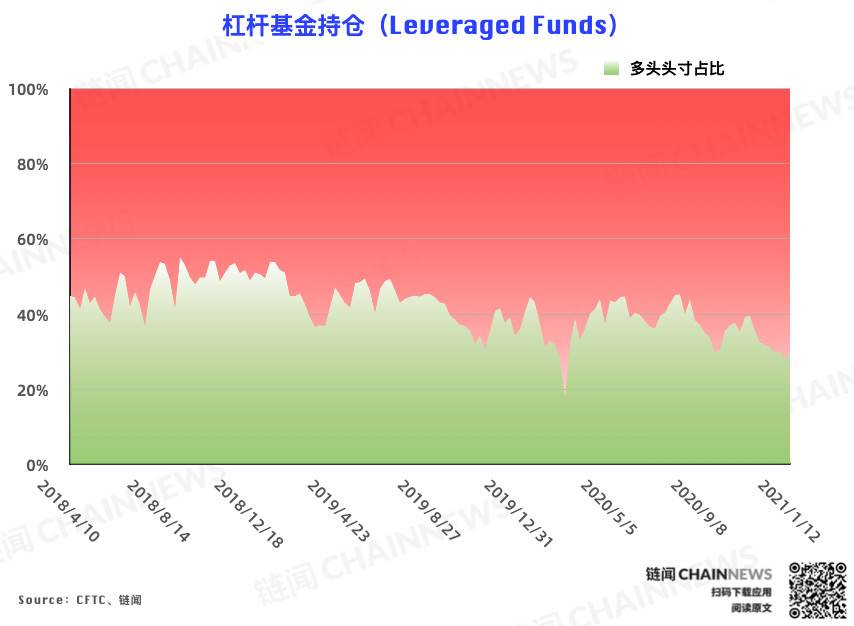
In the latest statistical period, the long positions of leveraged fund accounts rebounded from 3544 to 4107, getting rid of the nearly 13-week low reached in the previous statistical period, and the short positions simultaneously increased from 9058 to 9602. After leveraged funds carried out very clear net positions in the last statistical period, there has been a clear change in the thinking in the latest statistical period. The continued rapid rise in the market has prompted such accounts to decisively "abandon" the idea of contrarian short selling and return to the state of simultaneous long and short two-way position additions. Under such circumstances, this kind of position accumulation is a relatively representative bullish position adjustment performance of leveraged funds. It can be considered that the market correction in the latest statistical period has not affected the "determination" of such accounts to restart chasing the increase, and the two types of institutional investors have returned to the unified bullish front.
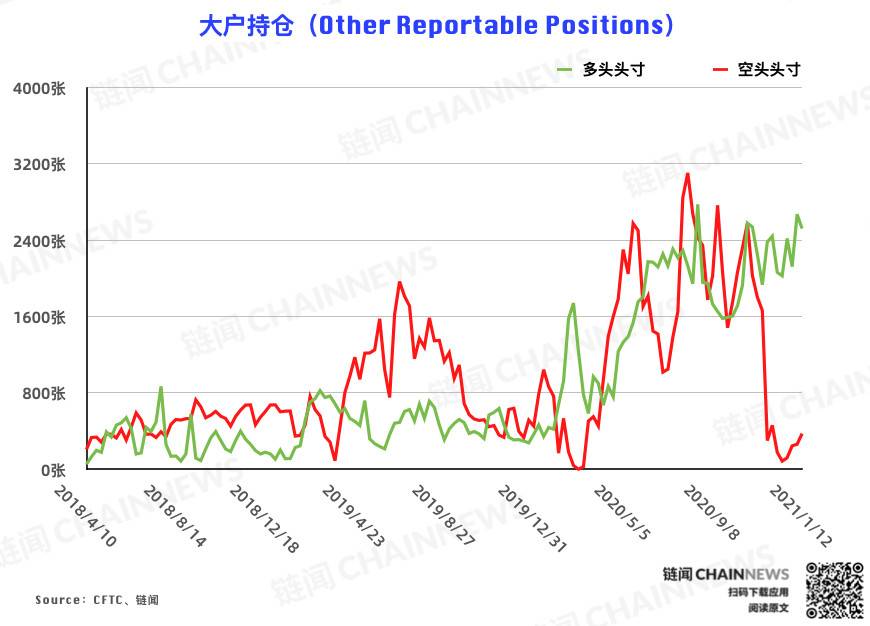
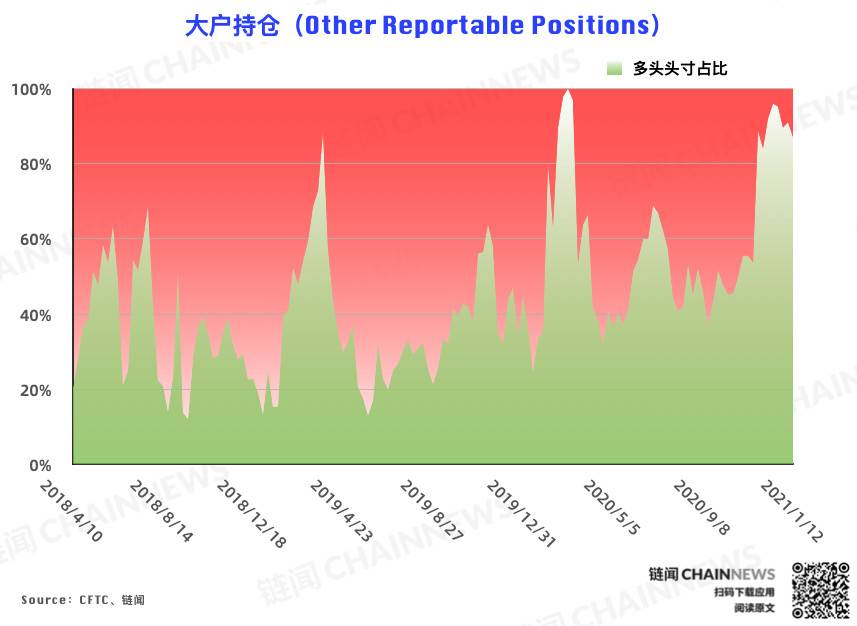
In terms of large positions, long positions fell from 2672 to 2522, and short positions further increased from 261 to 373. Large account accounts have made a very clear net position adjustment in the latest statistical period. Unlike the above two types of institutional accounts, which are too overweight, the performance of large accounts in this statistical period is obviously that they feel the potential risk of stopping rising and turning downward brought by this round of inverted V market. As a type of account that is not keen on clear one-way position adjustment and only performs long and short two-way simultaneous position adjustment most of the time, whether the large account's judgment that the turning point has reached is accurate can become one of the focuses of follow-up attention in the future.
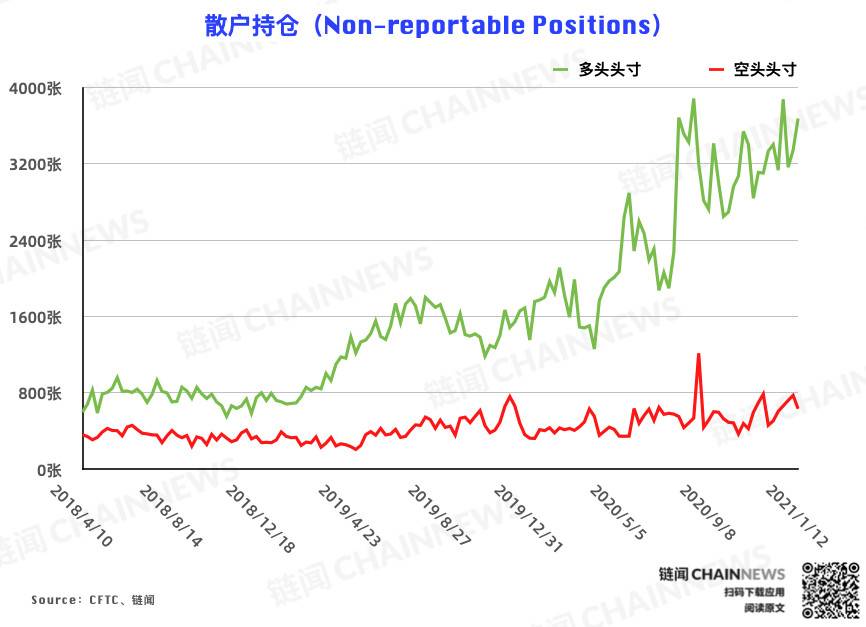
In terms of retail investor positions, long positions rose sharply from 3343 to 3676, while short positions fell from 774 to 633. During the latest statistical period, retail investors performed very similar position adjustments to large investors. This type of account made a clear net long position adjustment under the high market enthusiasm. Although this general direction judgment is similar to the previous two types of institutional investors, institutional accounts did not make such an aggressive net long position. Regarding position adjustment, brokerage accounts have had similar position adjustment performance in the previous statistical periods. However, in the latest statistical period, the position adjustment ideas have obviously become more conservative. Should the most emotional retail investors pursue such aggressive gains at this stage as a risk signal of market overheating?
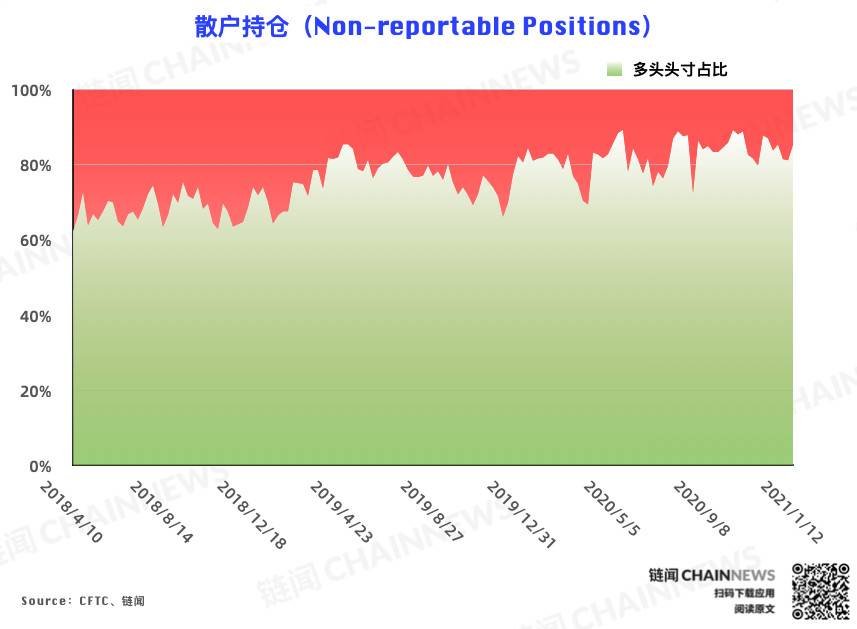
After the market temporarily bid farewell to the momentum of rapid unilateral rise, several types of accounts unexpectedly showed differences in the judgment of long and short directions. Institutional investors tended to be conservative in their actions, and who won and who lost in the tit-for-tat reverse position adjustment between large investors and retail investors? Time will tell.
Extended reading: Understand what the CFTC position report is in one article? What's the value? How to interpret it?