
Author: Zhou, ChainCatcher
On November 19th, Eastern Time, AI company Anthropic was listed on Nasdaq under the stock code ANT. The company had previously priced the offering at $83 per share, above the expected range of $70 to $78, raising about $81.3 billion in the public offering.
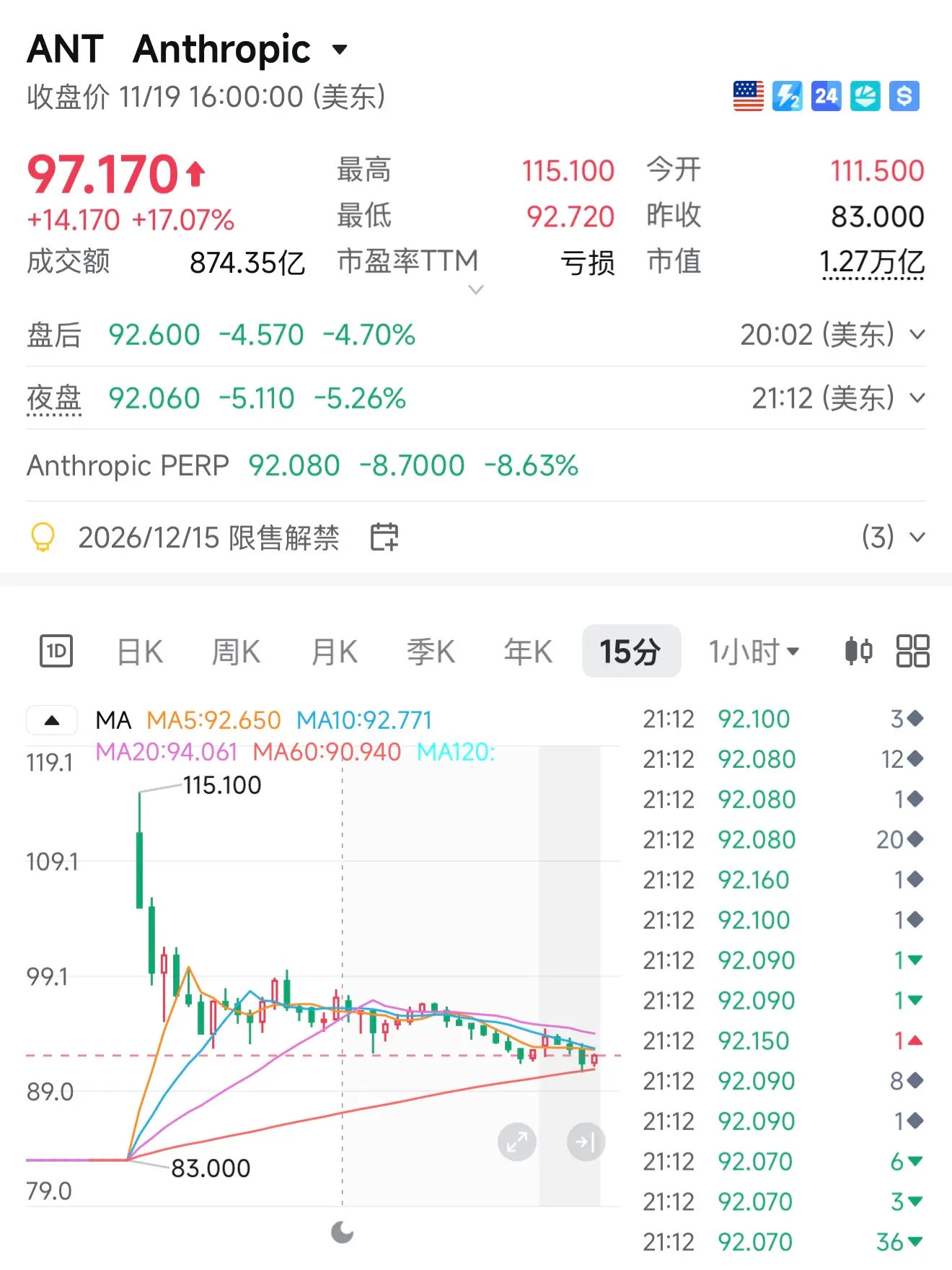
ANT opened at US$111.50 on the first day, up 34.3% from the issue price, hitting an intraday high of US$115.10, and then fell back to close at US$97.17, with the increase narrowing to 17.07%. At closing price, Anthropic has a market capitalization of approximately $1.27 trillion, roughly the same as Bitcoin’s total market capitalization.
Based on the offering price, the seven co-founders are each worth about $20 billion, and Amazon and Google’s holdings are each worth nearly $150 billion. FTX, which once held nearly 8% of Anthropic’s shares, had exited the market as early as 2024.
Before the listing, many crypto exchanges successively launched contracts and tokenization innovations to allow users to bet on this IPO. The recent decline in the crypto market has also been attributed by some to capital flows to Anthropic. Who is the winner of this IPO, and what has the crypto market paid?
1. Behind the trillion-dollar valuation, who made the money first
Calculated on a base issuance basis excluding over-allotment, Anthropic surpassed SpaceX’s US$75 billion in June this year, becoming the largest IPO in the world. According to CNBC, ANT’s first-day trading volume exceeded 840 million shares, while SpaceX’s first-day trading volume was 522 million shares. 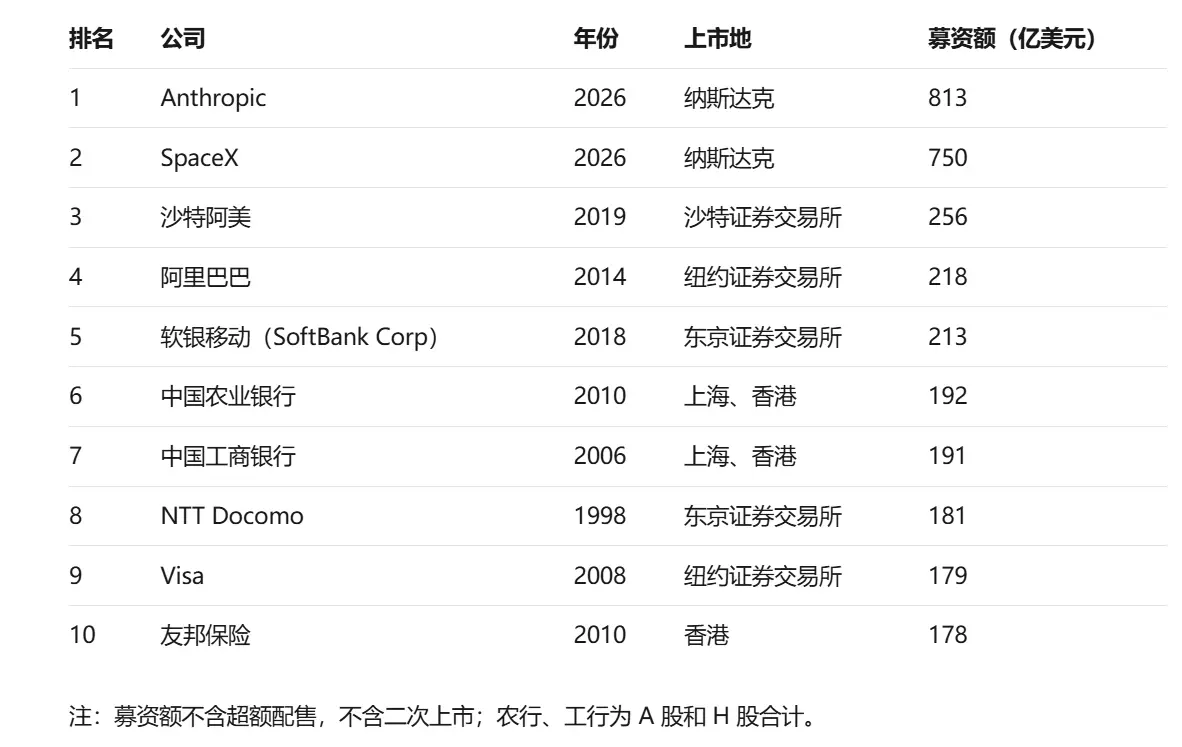
The prospectus shows that Anthropic’s revenue in the first three quarters of this year was US$33.24 billion, a year-on-year increase of approximately 1,200%. Annualized revenue as of the end of October was approximately US$81 billion, but the sequential growth rate in the third quarter has dropped from 144% in the second quarter to 47%.
During the same period, the company had a net loss of US$104 billion, of which US$94.3 billion came from changes in the fair value of convertible notes, mainly due to the revaluation of notes held by Amazon as their valuations increased, and did not involve cash outflows. 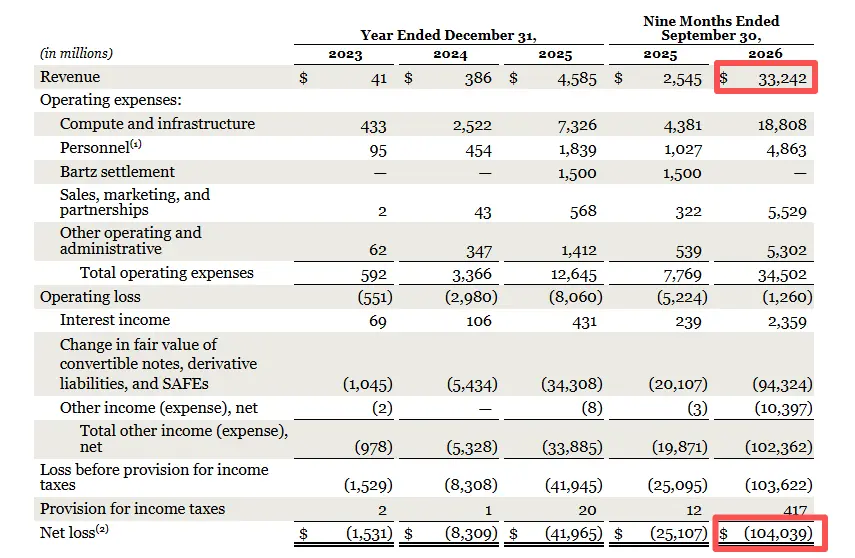
This also means that Amazon is one of the biggest winners from this IPO. According to Forbes' calculations, based on the issuance price, the shareholding values of Amazon and Google are approximately US$159 billion and US$147 billion respectively. The two companies have invested more than US$18 billion and US$30 billion respectively. They are also Anthropic's main computing power supplier.
SK Telecom’s $100 million investment in 2023 has appreciated to about $3.2 billion, and Zoom’s investment of about $51 million has a book value of about $3.13 billion. According to Bloomberg calculations, the US$75 million invested by venture capital firm Spark Capital in the same year has grown to approximately US$7 billion.
The prospectus shows that the seven co-founders each cashed out approximately US$280 million in this issuance. After the IPO, each of them still holds approximately 240 million shares, and controls 50.1% of the voting rights through jointly held Class F shares, and has pledged to donate 80% of their personal equity to charity. Anthropic employees have also experienced a surge in net worth, with private-market research firm Sacra estimating that about 2,800 current and former employees hold vested equity worth at least $1 million.
SoftBank founder Masayoshi Son publicly admitted this week that not investing in Anthropic was a mistake. SoftBank had already invested heavily in OpenAI at the time, unwilling to bet on two horses in the same race.
In 2022, an FTX affiliate bought approximately 44.54 million Anthropic Series B preferred shares for approximately $500 million, the closest the crypto industry has come to this company. According to court documents in FTX's bankruptcy case, the liquidation team sold it all in two tranches in 2024 for a combined proceeds of approximately $1.34 billion.
After Anthropic’s 1-for-10 split in September this year, these shares are equivalent to about 445 million shares, worth approximately US$37 billion based on the issue price, which is nearly 28 times the selling price that year. One of the buyers at the time, Jane Street, paid about $100 million for 3.3 million shares, worth about $2.7 billion today.
2. Before listing, there are two ways to bet on ANT on the chain
The crypto industry missed this company’s growth, but not its listing.
The first to launch the Anthropic contract was Ventuals on Hyperliquid, which was opened for trading at valuations at the end of November 2025. At that time, the corresponding valuation was approximately US$340 billion. Binance followed up in June this year, supporting up to 20x leverage, and OKX, Bybit and trade.xyz subsequently launched.
According to CryptoQuant data, the contract market’s valuation of Anthropic once reached US$2.13 trillion on September 9, and has since fallen back all the way. Before the listing, it had fallen to around US$1.3 trillion. The bulls who entered the market at the high point in September lost about 40% of their books. 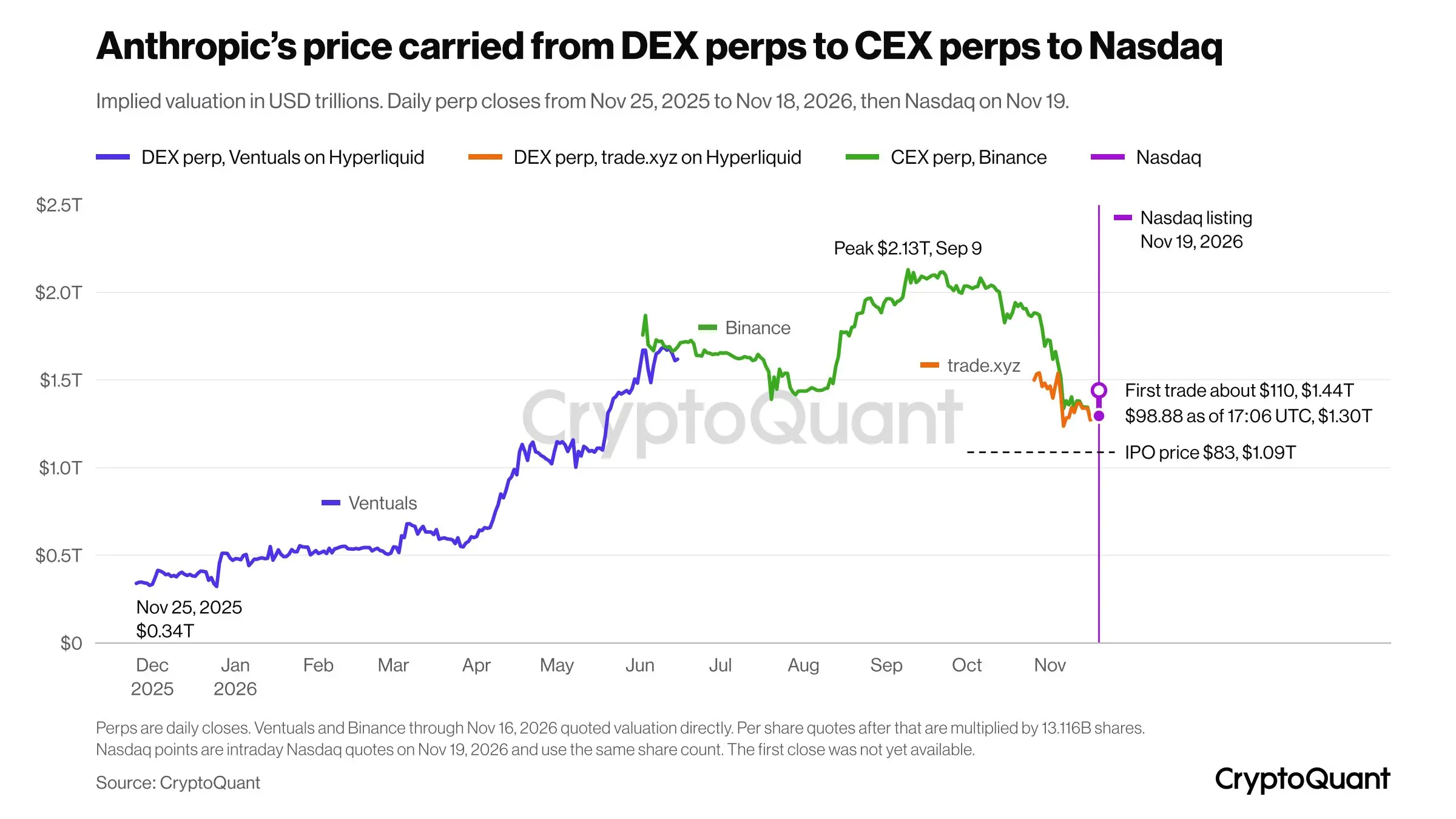
Trading activity hit a record. According to Glassnode statistics, in the first 45 days of listing, the cumulative transactions of Anthropic contracts on various platforms were approximately US$9.5 billion, more than double the US$3.9 billion of SpaceX during the same period. OpenAI, which has not yet determined its launch date, has accumulated approximately US$6 billion in related contracts. 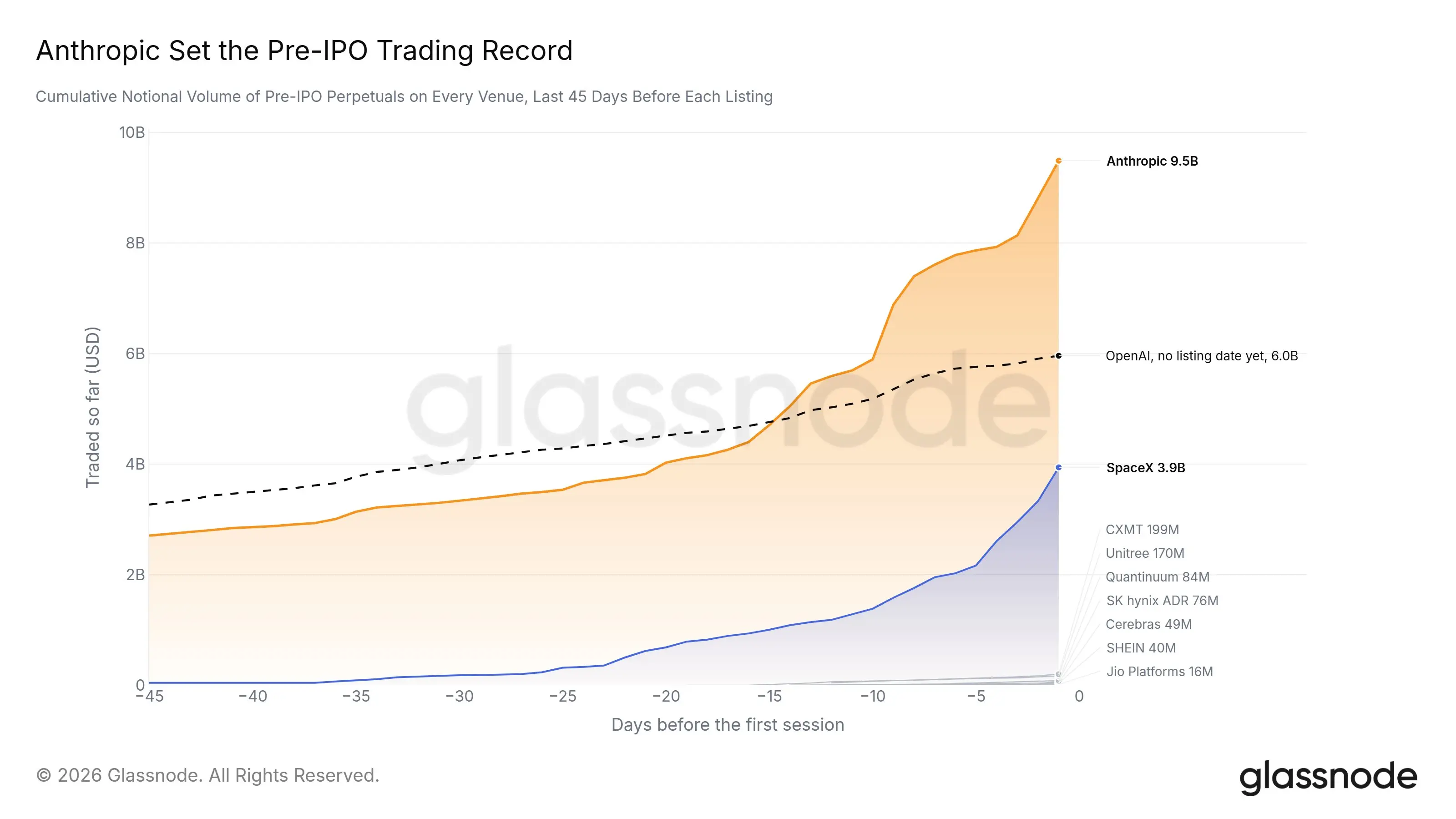
Kelly Ye, head of research at Talos, has cautioned that pre-market contracts are not a crystal ball. At least at the opening moment, the contract gave a fairly accurate answer. Contract prices on Hyperliquid were within 1% of the opening price of $111.50 before the market opened, according to Senpi data. On the morning of SpaceX’s listing, the contract was quoted at $176, but the actual opening price was only $150.
The stock price fell back after the opening, and the bulls chasing the rise were the first to bear the brunt. According to CoinGlass data, approximately US$8.66 million was liquidated in the ANT contract within 24 hours, with long orders accounting for 72% and a total of 3,038 people liquidating their positions. The on-chain data account Onchain Lens monitored that a whale shorting ANT on Hyperliquid once had a floating loss of US$8.89 million, which turned into a floating profit of approximately US$4.82 million as the stock price fell. 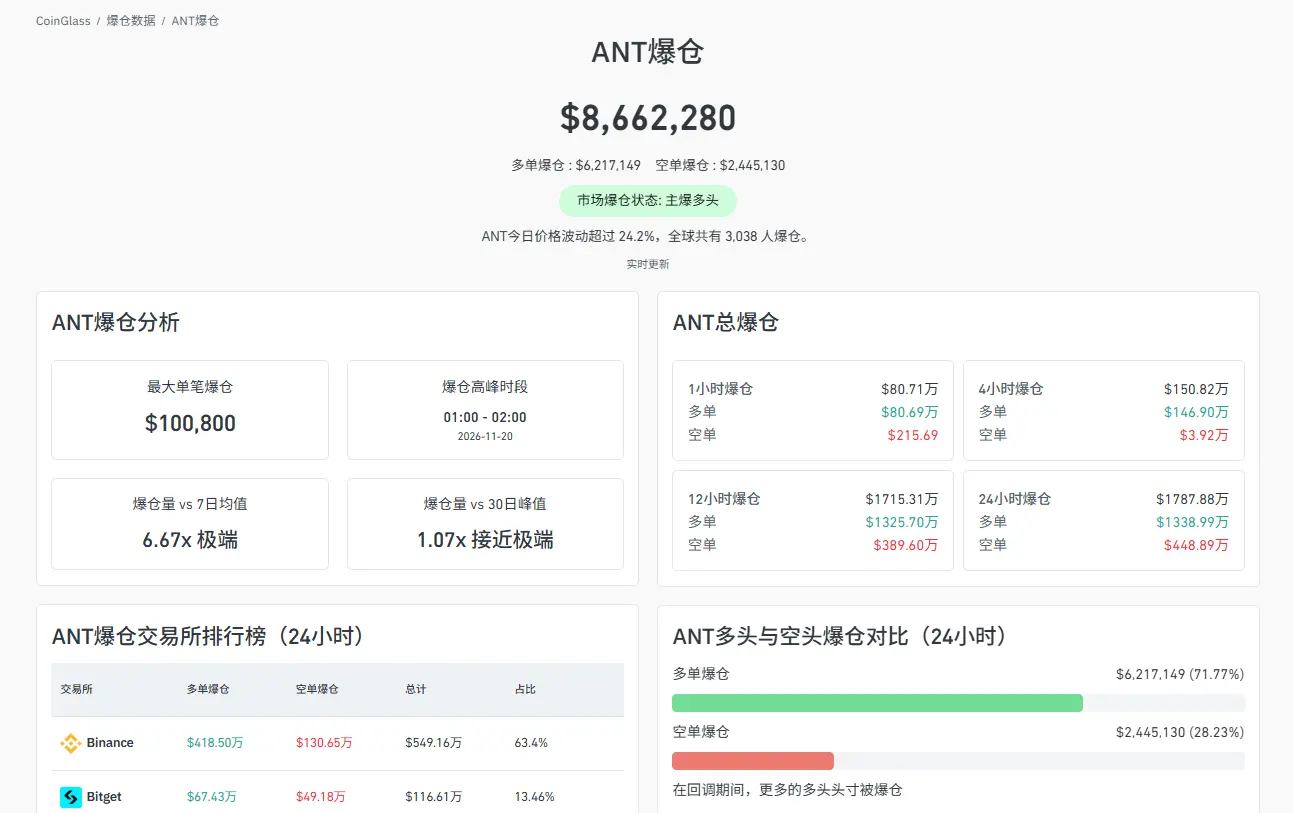
If you want to get the spot, users can participate in the tokenization of the exchange, but the cost is higher.
Binance Wallet and Kraken are issuing tokenized stocks through xStocks, Bitget is issuing rANT through IPO Prime, and Gate is also open for subscription. These channels generally add a 5% service fee, and the Bitget VIP round is 12%.
According to people familiar with the matter, the proportion of the IPO allocated to retail investors is about 15%, or about $12 billion, below the 20% cap and below SpaceX’s retail ratio of about 20%. According to Bloomberg, more than half of the approximately 1,200 institutions that participated in the subscription did not receive an allocation.
On the crypto platform, after the U.S. stock market opened, xStocks stated that this subscription was oversubscribed by more than 9 times, and users could only be partially allocated, and unallocated funds will be fully refunded.
Specifically, the subscription quota of 500 million USDC in Binance wallet was full within 8 hours, and only about 2,957 shares were allocated in the end, which is about US$245,000 based on the issue price, accounting for only 0.05% of the subscription amount. Binance Wallet subsequently announced a full refund of the subscription fee, airdropped the shares to users for free in proportion, and airdropped an additional $1 million worth of ANTB as compensation, exactly the same as how SpaceX was handled when it went public.
Bitget was ultimately allocated 153,774 shares, equivalent to approximately US$12.76 million, of which the allocation rate was 10.06% in the VIP round and only 1.3% in the public round. Gate's allocation rate is 5.03%, and Kraken is only partially allocated.
Calculated based on the closing price of US$97.17, the income of public round users who pay 5% service fee is about 11.5%, and the revenue of VIP users who pay 12% service fee is only about 4.5%. If calculated based on the after-market price of about US$92.6, VIP users are already slightly lower than the cost. The VIP round shares will not be distributed until November 21, and the final profit and loss will depend on the stock price at the time of accounting. 
3. Should Anthropic be blamed for the decline in the crypto market?
According to RootData data, before Anthropic went public, the U.S. Bitcoin spot ETF had experienced weekly net outflows of more than $1 billion for two consecutive weeks. Stablecoins are also shrinking. As of November 16, the total market value of stablecoins was approximately $285 billion, a decrease of 5.15% in 30 days, or approximately $15.5 billion. Bitcoin once fell below $62,000. 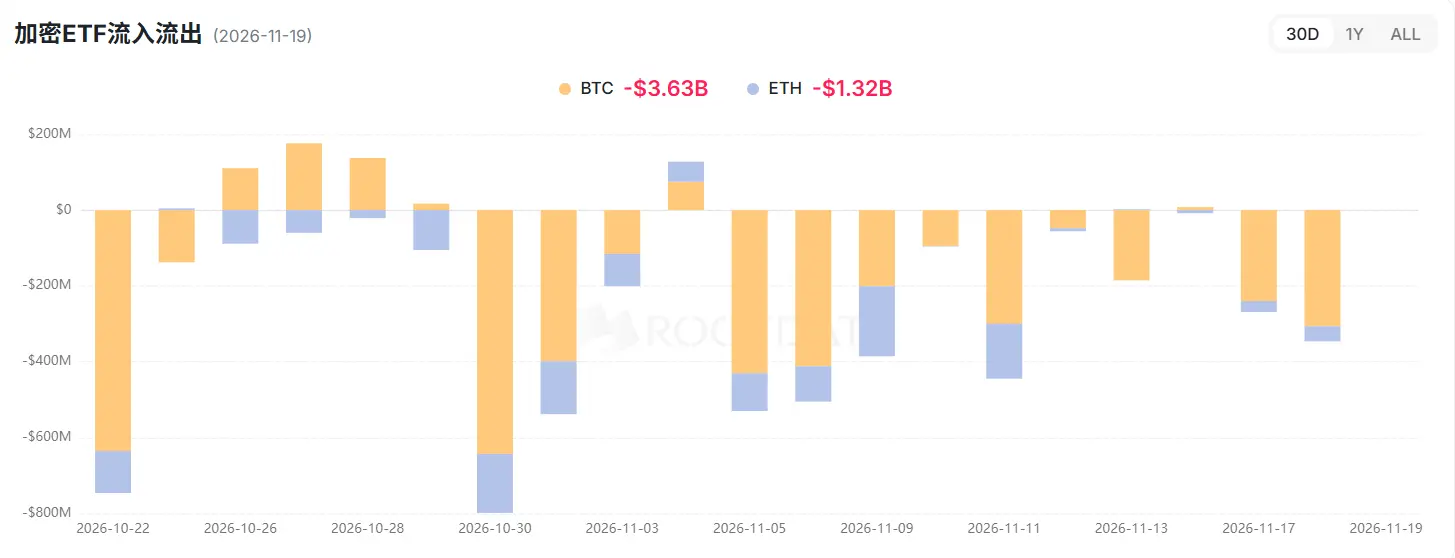
Ripple CEO Brad Garlinghouse said in an interview with CNBC that investors are shifting funds from the crypto market to popular IPOs such as Anthropic, and expects the crypto market to rebound after the listing.
Binance founder CZ and Fundstrat’s Tom Lee have also noted that the IPO could be a drag on the crypto market.
Jiang Zhuoer, founder of Lebit Mining Pool, believes that Daxin has locked hundreds of billions of dollars in funds, and the release of these funds will benefit the market.
However, institutional subscriptions for U.S. stock IPOs are only intention quotations and do not require advance payment. What is really locked is mainly the subscription funds of the encryption platform. During the subscription period, more than $750 million in stablecoins were locked in the Binance wallet, Bitget, and Gate alone.
Looking back at SpaceX, Bitcoin rebounded to US$64,000 on the day it was listed on June 12, and has been rising since then, and was still around US$80,000 in late October. However, this period of gains has now been basically retracted, and Bitcoin has returned to the price on the day SpaceX was listed. The rebound after the listing did not hold. 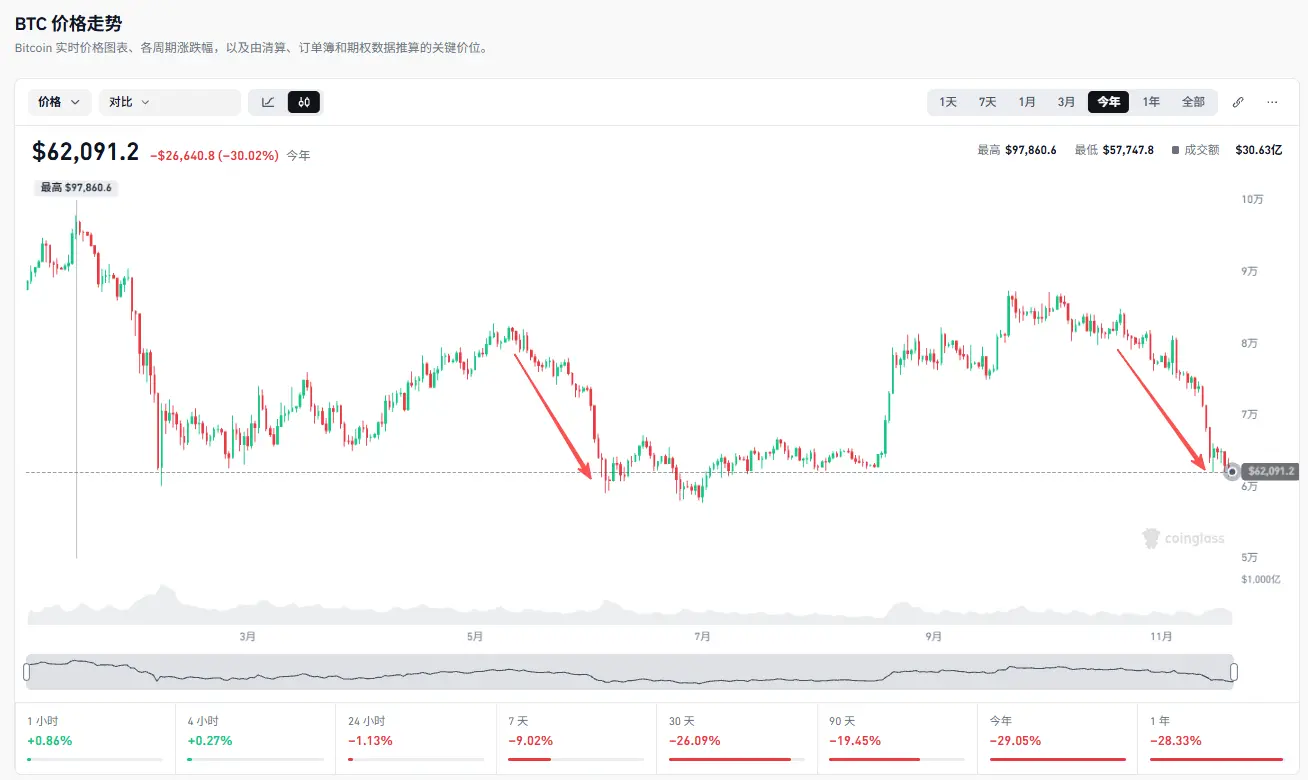
Zach Pandl, head of research at Grayscale, noted that this pullback has little to do with the Anthropic IPO and that current prices represent an attractive entry point for mid- to long-term investors. Crypto analyst Ted Pillows attributed the decline mainly to market leverage and ETF outflows. After October's CPI exceeded expectations, market expectations for the Federal Reserve to raise interest rates in December have increased. Risk assets have generally come under pressure, and the crypto market has been hard-pressed to remain immune.
On the day ANT was listed, there was no significant fluctuation in the crypto market. As of press time, Bitcoin was trading at about $62,000 and Ethereum was trading at about $1,740. The post-listing rebound expected by the market has not yet occurred.
MSCI has announced that Anthropic will be included in the global standard index in advance, effective from December 1. According to Bloomberg, if it meets the rapid inclusion criteria, Anthropic will enter the Russell 1000 and Nasdaq 100 indexes as soon as December, and passive funds tracking the indexes will follow suit. Anthropic's attraction to funds will not end with the listing.
For crypto exchanges, IPO has become a battleground. From SpaceX to Anthropic, everyone has launched pre-listing contracts and tokenization innovations. Although the pricing of the contract is close enough to that of Nasdaq, it has never been able to obtain enough quotas. How to allocate more shares from underwriters will be their next issue.