1, Vitalik’s Ethereum simplification plan: from “functionalism” to “minimalism”
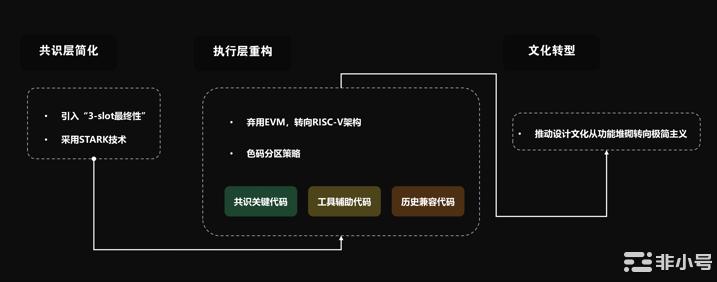
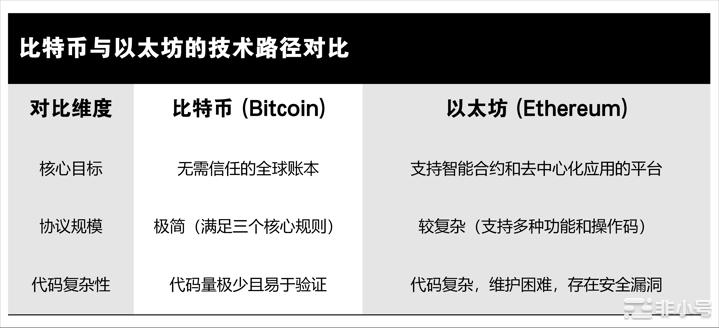
Co-founder of Ethereum Vitalik Buterin proposed a disruptive long-term plan in 2025 to simplify Ethereum’s core protocol to a level of simplicity close to that of Bitcoin. The core concept of this plan is to improve resilience and decentralization by reducing protocol complexity. Specific paths include:
2. Game of Simplicity and Functionality
3.Layer2 melee: Why did Ethereum’s “clone” fall into internal friction?
Although Ethereum passedLayer2 (similar to "sub-network") is expanding, but there are three major ecological crises:
1. Game of Thrones: Where is the promised decentralization?
- Head The core controller of Layer 2 (such as Arbitrum) is still in the hands of the development team, and users are worried about "return to centralization";
- Token Economic Failure: ARB and other tokens plummeted immediately after they came online. On the contrary, Coinbase’s Base chain counterattacked by “not issuing coins + engaging in social networking”;
2. Besieged by powerful external enemies
- Solana grabs users with "second-level transactions", and TON grows wildly with Telegram's 900 million users;
- Ethereum’sLayer 2 has fallen into homogeneous competition: issuing points and conducting airdrops, but the functions are similar;
3. Developer complaints
- "Building DApp now is like opening a chain store - each Layer 2 has to be renovated, and the cost is too high!"
Four, ETF customs clearance: an opportunity and a shackles
- SEC gives green light: Ethereum spot ETF will be approved in May 2024, and will be officially traded in July, attracting US$9 billion in the first week;
- Price roller coaster: ETH once rose to US$3,700, but fell back to the US$3,000 range because it could not be pledged (for fear of being deemed a security);
Future Impact:
- Possible flows of institutional fundsLayer2 tokens and AI projects (such as rendering network RNDR), intensify market differentiation;
- Regulatory sequelae:ETF cannot be pledged, which is equivalent to buying gold but cannot deposit it in the bank to earn interest, and its long-term attractiveness is discounted;
The biggest challenge of the five-year plan: the ideal is full, the reality is too skinny
- Switch to The RISC-V architecture requires rewriting smart contracts. A veteran developer bluntly said: "What is the difference between this and learning a new language?"
- Risk of community fragmentation: some people believe that existingZK-Rollup technology is sufficient, there is no need to bother;
- User growth cannot keep upGas fees are declining rapidly, and the money earned from the DA layer (data storage) cannot support the ecosystem;
imagined The "explosion of modular applications" has not yet been seen. Are you optimistic about Vitalik's five-year gamble?