
Luanda Set to Topple Lagos as Africa Boasts More Megacities
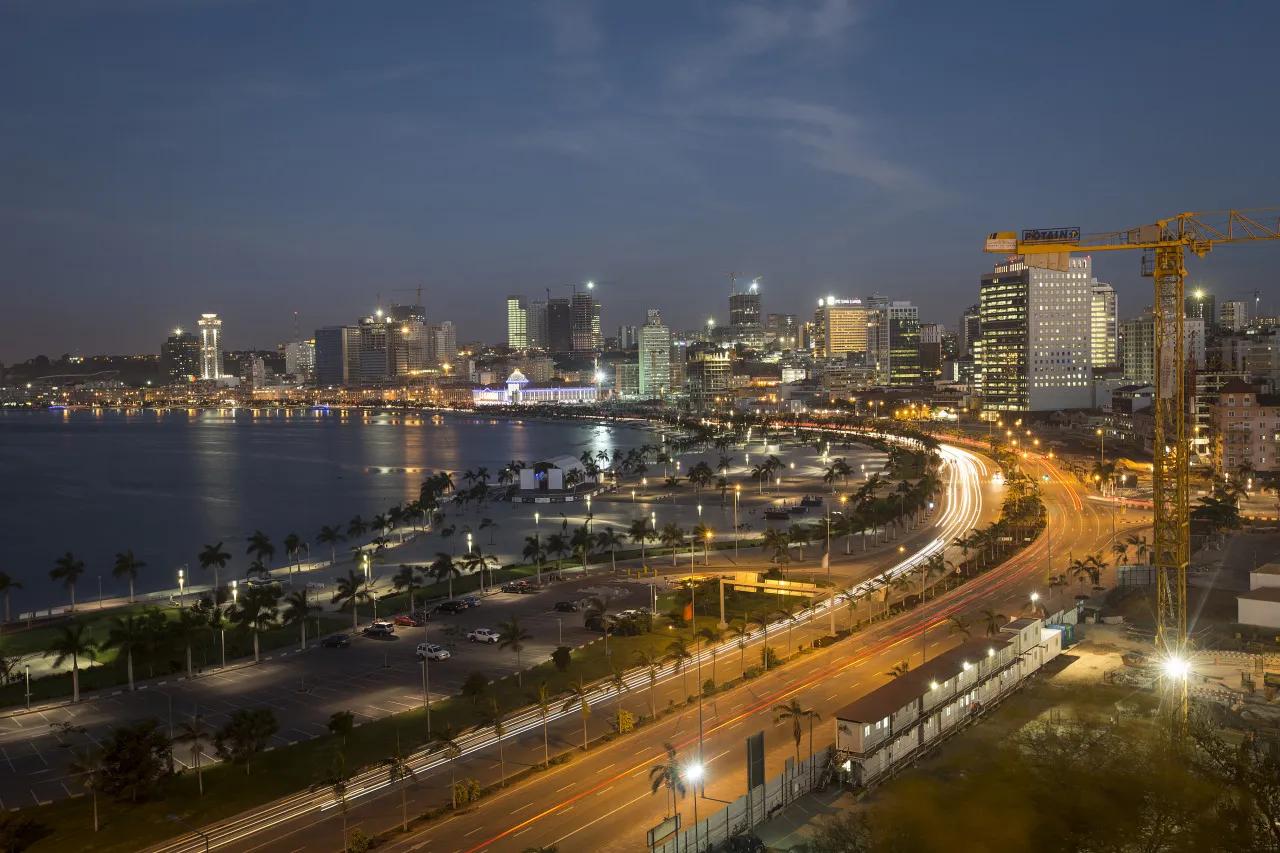
Luanda, Angola. Photographer: Simon Dawson
By Antony Sguazzin November 02, 2026 at 06:20 AM GMT+8
Sub-Saharan Africa is set to host five megacities by 2050 and Lagos is likely to be overtaken by Angola’s Luanda as the continent’s biggest metropolis.
Predictions in a new World Bank study suggest the population of the Malian capital Bamako will grow by 80% over the next 25 years to 7.6 million, while the number of people in Mogadishu, Somalia, will surge by 64% — moving both of them into the top 15.
The Democratic Republic of Congo’s Kinshasa, Dar es Salaam in Tanzania and Ethiopia’s capital, Addis Ababa, will all house more than 10 million people, the generally accepted definition of a megacity. Luanda’s population may top 20 million.
The region is going through an unprecedented surge in urbanization. The World Bank forecasts that by 2050 the number of people living in cities in sub-Saharan Africa will increase by 320 million to 823 million, rising to 1.7 billion people when peri-urban areas and towns are included.
Read: World Bank Warns Poor Urban Planning Threatens Africa’s Future
Cities in countries that urbanized earlier, such as South Africa, will slip down the rankings.
While Johannesburg’s population will climb to 8.9 million from 7.1 million it will by then be sub-Saharan Africa’s eighth biggest city as opposed to 5th today. Cape Town, 15th now with about 4.5 million people, will no longer be ranked as among the largest.
The African cities’ current sizes were assessed by the Washington-based lender and the European Commission’s Joint Research Centre using a broader definition than municipal boundaries to capture the extent of urban sprawl. In its 2022 census report, South Africa’s statistics agency said Johannesburg had a population of 4.8 million, a number that excluded areas such as Ekurhuleni, a separate municipality that’s home to the main airport.